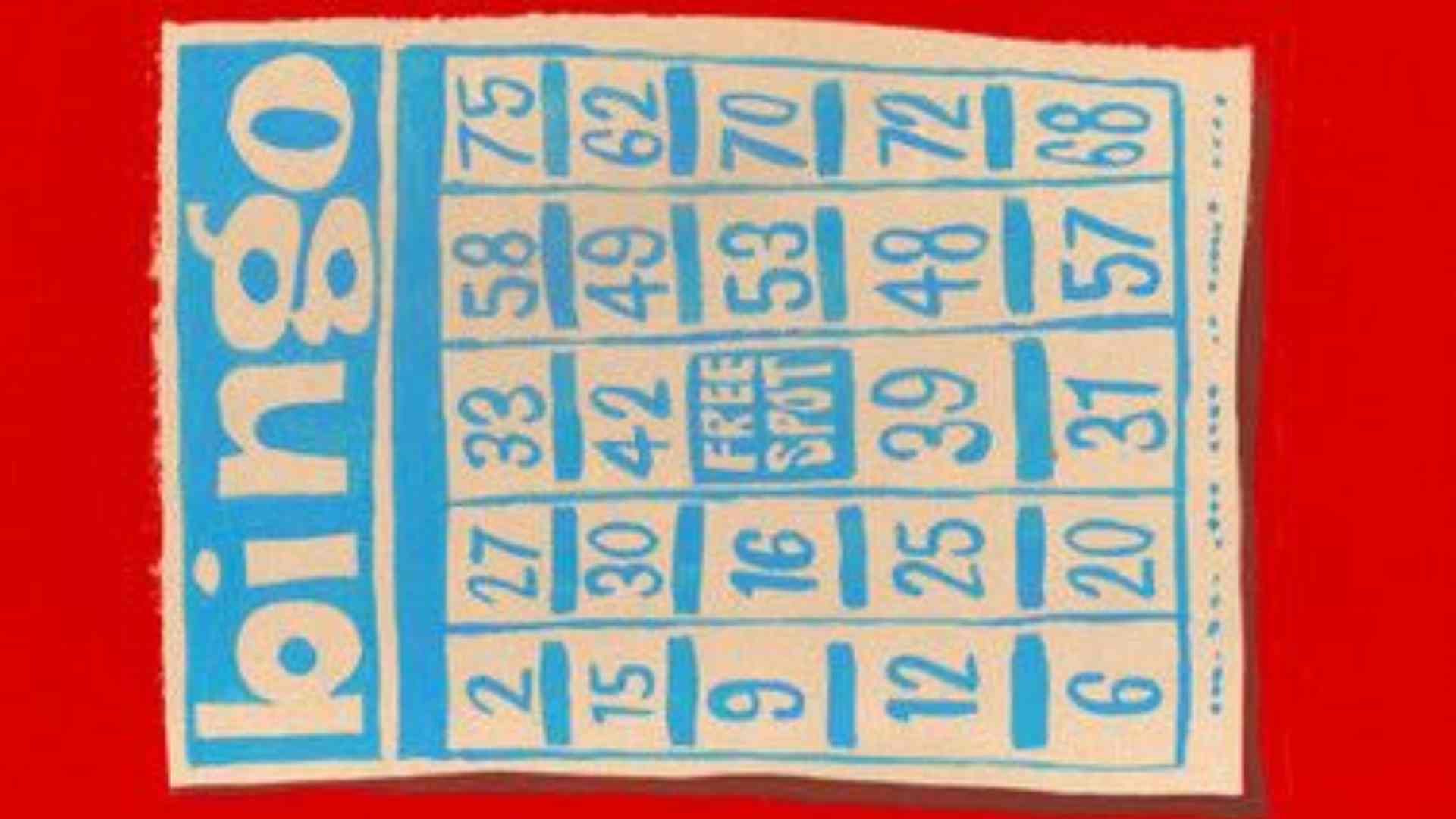
Mastering mathematical theories often feels challenging when learners are limited to static textbook definitions and complex formulas. Engaging in hands-on activities transforms these abstract ideas into practical experiences that build long-term retention. By exploring chance through regular practice, individuals develop a stronger cognitive framework for real-world risk management.
The Power of Dynamic Classroom Experiments
Classroom learning becomes significantly more effective when students can visualize the immediate outcomes of statistical distribution. Simple tools like colored marbles, spinners, and customized decks of cards allow participants to track frequencies in real time. These collaborative exercises help turn confusing theoretical formulas into intuitive visual achievements.
Educators often notice that introducing friendly competition boosts student engagement during challenging math modules. For those exploring diverse entertainment platforms, visiting an interactive resource like M88 toto provides an intriguing perspective on modern digital tracking methods. Observing how these systems organize data helps bridge the gap between academic theory and practical applications.
Leveraging Digital Simulations for Deeper Insights
Modern technology offers a wide array of web-based applications designed to simulate random events instantly. Virtual coin flippers and large-scale dice rollers allow users to conduct thousands of trials within a few seconds. This massive data generation clearly demonstrates the law of large numbers in a way physical items cannot replicate.
Using digital software also empowers learners to manipulate variables and observe shifting statistical balances immediately. Students can adjust probability ratios and watch how corresponding charts update dynamically across their screens. This interactive experimentation builds a mature understanding of independent and dependent variables.
Applying Everyday Scenarios to Logical Choice
Predicting the daily weather forecast or calculating sports performance statistics offers excellent opportunities to test logical reasoning skills. Individuals can analyze historical data patterns to make objective predictions rather than relying on pure intuition. This habit shifts personal perspectives away from standard luck and toward calculated estimations.
Navigating financial choices or evaluating insurance policies also requires a strong grasp of potential risk distribution. Regularly applying statistical evaluation to these routine situations reduces decision anxiety and improves long-term planning habits. Ultimately, practicing these concepts ensures that uncertainty becomes a manageable aspect of daily life.