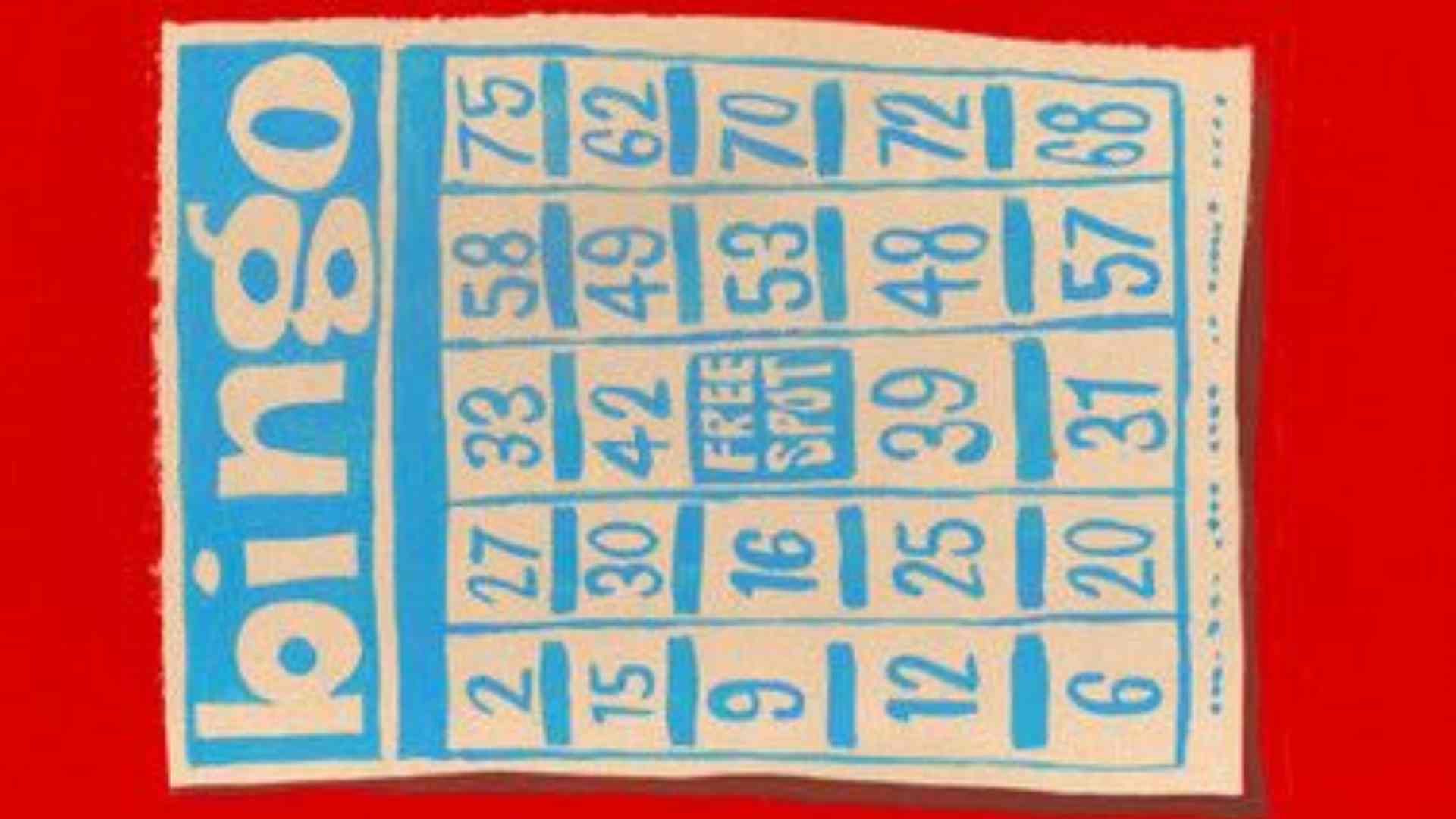
Engaging with numerical challenges provides a powerful way to enhance your mind and improve everyday problem-solving abilities. These structured puzzles force the brain to evaluate patterns, test sequences, and establish logical connections rather than relying on basic guesswork. Over time, practicing these games builds a highly methodical approach to resolving complicated problems efficiently.
The Mechanics of Pattern Recognition
Most number-based activities require players to identify underlying sequences and systematic rules within a structured grid or sequence. This mental processing directly trains the brain to recognize intricate correlations between different pieces of data. As individuals practice regularly, they become much faster at interpreting mathematical layouts and identifying hidden structural boundaries.
Developing this particular analytical framework helps users process information with significantly greater precision. It shifts cognitive habits away from impulsive decisions and encourages a more deliberate strategy. Ultimately, this foundational training supports stronger reasoning capabilities across various real-world situations.
Boosting Cognitive Flexibility and Memory
Tackling complex numerical logic requires an active short-term memory to keep track of multiple variables simultaneously. Players must mentally hold certain digits while testing alternative placements across different areas of the puzzle layout. This continuous calculation stretches your cognitive limits and actively builds stronger neural pathways over time.
Many dynamic platforms offer exciting digital environments where people can sharpen these exact skills safely. Exploring verified networks like M88bet can introduce players to diverse puzzle variations and competitive strategic communities. Keeping your brain active with these modern challenges ensures long-term mental agility and improved information processing speeds.
Enhancing Deductive Reasoning Skills
Deductive reasoning is the foundational logic system used to solve strict rule-based mathematical challenges. Every decision made in these games relies heavily on eliminating impossible outcomes based on existing constraints. This methodical elimination process trains the human mind to make highly logical, evidence-based deductions.
By practicing this process, individuals learn how to approach complicated issues with extreme patience and structural clarity. It prevents the common pitfall of rushing into complex decisions before understanding the entire layout. This systematic patience is a transferable skill that benefits professional planning and academic learning alike.
Long Term Brain Health Benefits
Scientific research indicates that regular participation in intellectually demanding activities can protect overall brain health as you age. Numerical puzzles act as an excellent workout for the prefrontal cortex, which handles abstract planning and critical thinking. Consistency is far more important than speed when aiming to secure these lasting neurological benefits.
Additionally, overcoming a tough structural challenge offers a sense of satisfaction that helps reduce daily stress. Spending just a few minutes each day on a quantitative game provides a balanced combination of relaxation and focus. It remains one of the most accessible and productive hobbies available for individuals of all age groups.